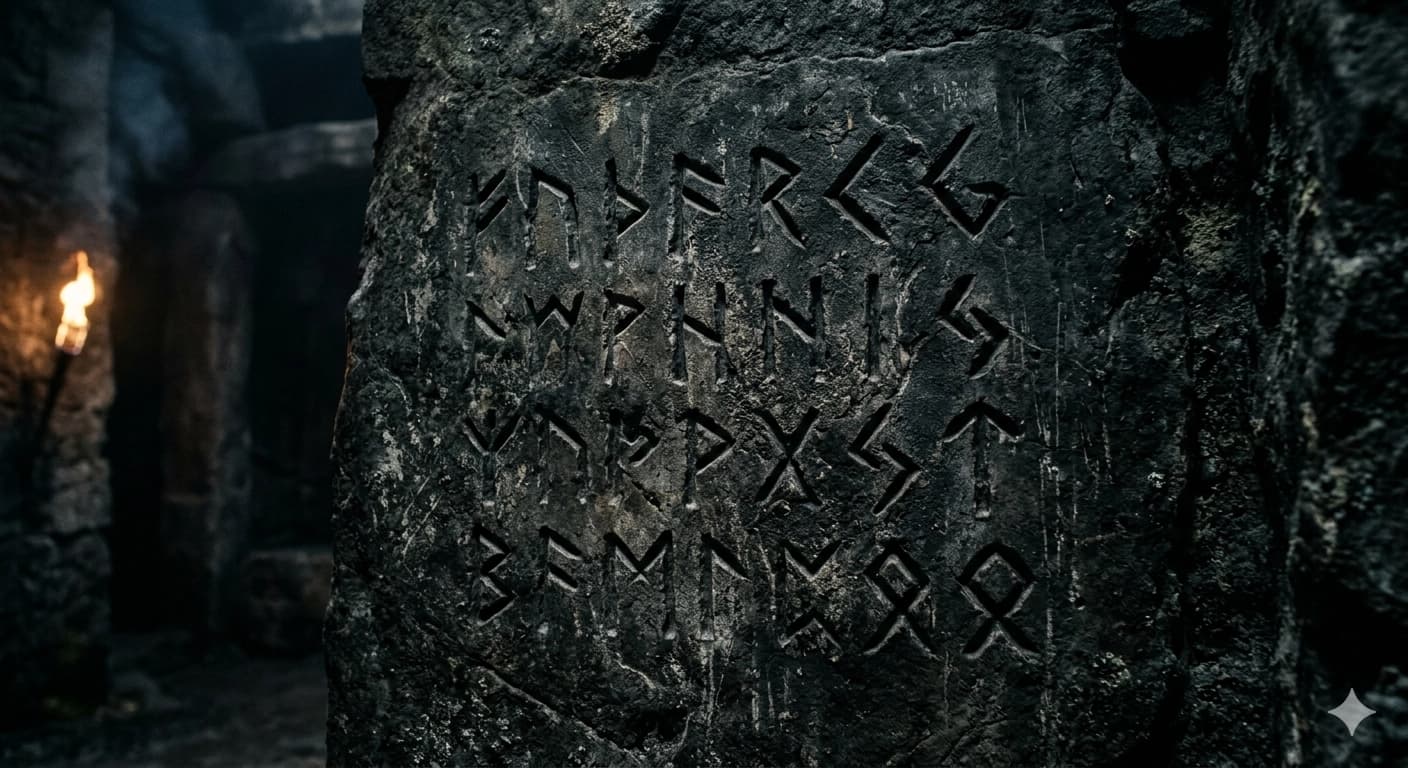
Viking Fonts & Norse Runes — Complete Guide to Elder Futhark Typography
Viking fonts occupy a unique position in typography. Unlike Gothic or cursive styles that emerged from Latin calligraphic traditions, runic scripts predate the Latin alphabet in Northern Europe entirely — the Elder Futhark was carved into stone, wood, and bone by Germanic peoples from roughly the 2nd century CE. When people search for "viking fonts" today, they're reaching for that specific visual weight: ancient, angular, carved, uncompromising.
This guide covers the history of Norse runic typography, how runic Unicode works, where Viking fonts are used in 2026, and what the actual Elder Futhark alphabet looks like character by character.
Want to generate runic text right now? Jump straight to our Viking Font Generator to instantly translate and copy-paste your text into Elder Futhark runes for Instagram, Discord, or tattoo designs.
What Makes a Font "Viking"
The term "viking font" covers three distinct things that often get conflated:
1. Elder Futhark runes — the actual runic writing system used by Germanic peoples from roughly 150–800 CE. 24 characters, angular geometry, originally carved (not written), with no horizontal strokes because horizontal grain lines in wood caused splitting. The angularity of runic script is a direct consequence of its medium.
2. Norse-inspired decorative typefaces — Latin alphabet fonts designed to evoke Viking aesthetics. Think angular serifs, wood-carved texture, knotwork ornamentation. These are design fonts, not runes. Used for logos, gaming titles, and branding.
3. Unicode runic characters — the Elder Futhark (and other runic systems) encoded in Unicode block U+16A0 to U+16FF. These render as actual rune characters on any modern device.
Most searches for "viking fonts" are looking for category 2 (decorative Latin fonts) or category 3 (actual Unicode runes). Category 1 is linguistically accurate but requires transliteration rules, since Elder Futhark doesn't map 1-to-1 to modern English.
The Elder Futhark Alphabet
The name "Futhark" comes from the first six characters: ᚠ ᚢ ᚦ ᚨ ᚱ ᚲ — F, U, Th, A, R, K. The full 24-character alphabet:
| Rune | Unicode | Name | Latin Equivalent |
|---|---|---|---|
| ᚠ | U+16A0 | Fehu | F |
| ᚢ | U+16A2 | Uruz | U |
| ᚦ | U+16A6 | Thurisaz | Th |
| ᚨ | U+16A8 | Ansuz | A |
| ᚱ | U+16B1 | Raidho | R |
| ᚲ | U+16B2 | Kaunan | K / C |
| ᚷ | U+16B7 | Gebo | G |
| ᚹ | U+16B9 | Wunjo | W |
| ᚺ | U+16BA | Haglaz | H |
| ᚾ | U+16BE | Naudiz | N |
| ᛁ | U+16C1 | Isaz | I |
| ᛃ | U+16C3 | Jera | J / Y |
| ᛇ | U+16C7 | Eihwaz | Ei |
| ᛈ | U+16C8 | Pertho | P |
| ᛉ | U+16C9 | Algiz | Z |
| ᛊ | U+16CA | Sowilo | S |
| ᛏ | U+16CF | Tiwaz | T |
| ᛒ | U+16D2 | Berkanan | B |
| ᛖ | U+16D6 | Ehwaz | E |
| ᛗ | U+16D7 | Mannaz | M |
| ᛚ | U+16DA | Laukaz | L |
| ᛜ | U+16DC | Ingwaz | Ng |
| ᛞ | U+16DE | Dagaz | D |
| ᛟ | U+16DF | Othalan | O |
These are real Unicode characters — copy any rune directly from the table above. They render on every modern device: iOS, Android, Windows, macOS, any browser.
How Viking / Norse Fonts Work in Unicode
The Runic Unicode block (U+16A0–U+16FF) was added to Unicode in version 3.0 in 1999. It contains 89 characters covering Elder Futhark, Younger Futhark, Anglo-Saxon Futhorc, and medieval runic additions.
Unlike the mathematical Unicode alphabets used for bold or italic styling — where every Latin letter has a mapped equivalent — runic characters are a completely separate writing system. There's no automatic "rune mode" that converts your text. Each rune is its own character.
For social media and display names, this means:
- Runic characters paste and display just like any other Unicode character
- They render on Discord, Instagram, Roblox, TikTok — anywhere Unicode is supported
- Discord display names support runic characters within the 32-character limit
- Each rune counts as one character
Copy-paste example names using Elder Futhark:
- ᚢᛚᚠᚱ (Ulfr — "wolf" in Old Norse)
- ᚠᚱᛖᚱ (Frey)
- ᛊᛏᛟᚱᛗ (Storm)
- ᚹᚨᚱ (War)
- ᚨᛊᚷᚨᚱᛞ (Asgard)
Where Viking Fonts Are Used in 2026
Gaming
Viking and Norse fonts dominate gaming aesthetics — particularly in games like God of War, Valheim, Assassin's Creed Valhalla, and the broader Norse mythology genre that has surged over the past decade. Players use runic characters in:
- In-game usernames and display names (where Unicode is supported)
- Clan and guild names
- Streaming profiles and Discord server names
The Valheim effect is particularly notable — the game's runestone aesthetic introduced millions of players to what actual Elder Futhark characters look like, driving search interest in "viking font" and "runic text generator" queries significantly.
Tattoo Design
Viking and Norse rune tattoos are among the most requested tattoo styles globally. Common requests include:
- Individual rune tattoos for their symbolic meaning (ᚠ Fehu for prosperity, ᛏ Tiwaz for victory, ᚢ Uruz for strength)
- Full name or word transliterations in Elder Futhark
- Bindrunes — two or more runes combined into a single character for compact designs
For tattoo consultations, Unicode runes serve as a quick visual reference before the artist creates the final design. The angular, carved aesthetic of Elder Futhark translates exceptionally well to tattoo linework.
Branding and Design
Norse-inspired typography has become a significant trend in:
- Craft beer and mead branding (Viking references are endemic in the craft beverage industry)
- Outdoor and wilderness brands
- Esports organizations
- Viking-themed restaurants and events
The most common approach uses decorative Latin fonts that evoke Norse aesthetics — angular serifs, wood-carve textures — rather than actual runes, since readability is a requirement for commercial branding.
Discord and Social Profiles
Runic characters in Discord display names, server names, and bios are popular in:
- Gaming communities with Norse game connections
- Pagan and Norse mythology interest communities
- Viking historical reenactment groups
- Dark aesthetic and medieval interests communities
Norse vs. Viking Typography: Key Distinctions
Elder Futhark (150–800 CE) — the oldest and most widely used runic script. 24 characters. Used by Germanic peoples across Northern Europe before Viking Age. This is what most people mean by "norse runes."
Younger Futhark (800–1100 CE) — simplified to 16 characters during the Viking Age itself. Counterintuitively, the actual Vikings used a reduced alphabet. Also in Unicode: ᚠᚢᚦᚬᚱᚴᚼᚾᛁᛅᛦᛋᛏᛒᛘᛚ
Anglo-Saxon Futhorc (400–1100 CE) — English variant, extended to 28–33 characters. Used in Old English manuscripts including Beowulf.
Runic decorative fonts (modern) — Latin alphabet fonts styled to look carved or Viking-inspired. Not runes — just aesthetically similar letterforms. Examples: Norse (by Joël Carrouché on DaFont), Viking, Miðgarðsormr.
For authenticity in tattoos, gaming names, or historical interest, Elder Futhark is the correct reference point. For visual aesthetics without linguistic accuracy, decorative Viking fonts work for most purposes.
Viking Font History and Typography Influence
Runic script's influence on modern typography is indirect but significant. The angular, compressed geometry of Elder Futhark — a direct product of carving into wood grain — influenced Northern European blackletter traditions. Fraktur, the German blackletter script that became the dominant typeface in German-speaking countries until the 20th century, shares that compressed vertical emphasis and angular character construction with runic tradition.
This is why Norse runes and Gothic/Fraktur typography feel visually related — they evolved from similar cultural and material constraints, and both informed Northern European typographic identity in ways that persist today.
The Viking revival in popular culture (sparked partly by History Channel's Vikings series in 2013 and sustained by games like God of War and Valheim) drove a corresponding revival of interest in runic typography that has continued to grow. Search interest in "viking fonts" has more than doubled between 2019 and 2026.
Copy-Paste Viking Text Examples
Ready to use in Discord, Roblox, Instagram bios, or anywhere Unicode is supported:
Single words:
- ᚹᚨᚱᚱᛁᛟᚱ (Warrior)
- ᛊᛏᛟᚱᛗ (Storm)
- ᚹᛟᛚᚠ (Wolf)
- ᚠᛁᚱᛖ (Fire)
- ᚱᚢᚾᛖᛊ (Runes)
Names:
- ᚢᛚᚠ (Ulf)
- ᚠᚱᛖᚤᚨ (Freya)
- ᚢᛏᚷᚨᚱᛞ (Utgard)
- ᚹᚨᛚᚺᚨᛚᛚᚨ (Valhalla)
Short phrases:
- ᚷᛟᛞᛊ ᚨᚾᛞ ᚹᚨᚱ (Gods and War)
- ᚾᛟ ᚠᛖᚨᚱ (No Fear)
Generate Viking and Norse Fonts
Want to translate your own text? Use our dedicated Viking Font Generator to instantly translate English into Elder Futhark runes that you can copy and paste anywhere.
For 100+ additional Unicode styles — bold, gothic, cursive, and more — explore the main Lettertype generator. The gothic and fraktur styles are particularly close to the runic aesthetic visually.
For tattoo reference, the post on gothic tattoo fonts covers how to use Unicode letterforms in tattoo consultations. For the broader blackletter tradition that connects runic and Gothic typography, see the Fraktur and blackletter history guide.
Related
- Gothic Font History — how Fraktur and blackletter evolved from Northern European traditions
- Gothic Tattoo Fonts — using Unicode styles as tattoo reference
- Fraktur & Blackletter History — the visual connection between runes and German blackletter
- Mystic & Spiritual Fonts — Unicode styles for witchcore, dark academia, astrology aesthetics